For fatcork growers, Champagne is life.
Fatcork Champagnes are made by vignerons in France who steer every step of the winemaking process from farming to fermentation to aging, using methods and techniques that have been perfected over generations. Unlike many of the big-name houses that produce blends for uniformity and mass appeal, the grower Champagnes we offer at fatcork are unique and deeply expressive of the specific time and place in which they were made — and the skilled and experienced hands that lovingly crafted them.
Meet Our Growers
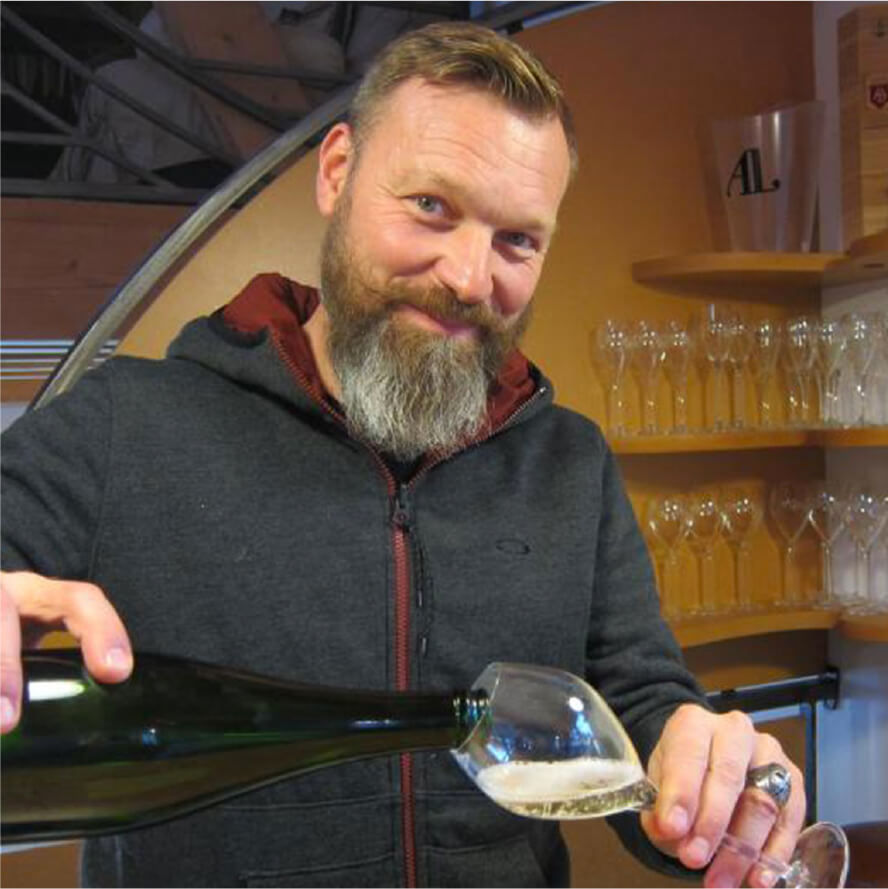
A. Levasseur
David took over the family’s 4 1/5 hectares of vineyards, spread across 18 plots in the villages of Cuchery, Châtillon-sur-Marne and Fleury-la-Rivière, in 2003. The vigneron’s playful spirit and enthusiasm results in fresh and balanced cuvées that are fun to drink. After many years of sustainable practices, A. Levasseur’s vineyards have begun the official conversion to certified organic farming.
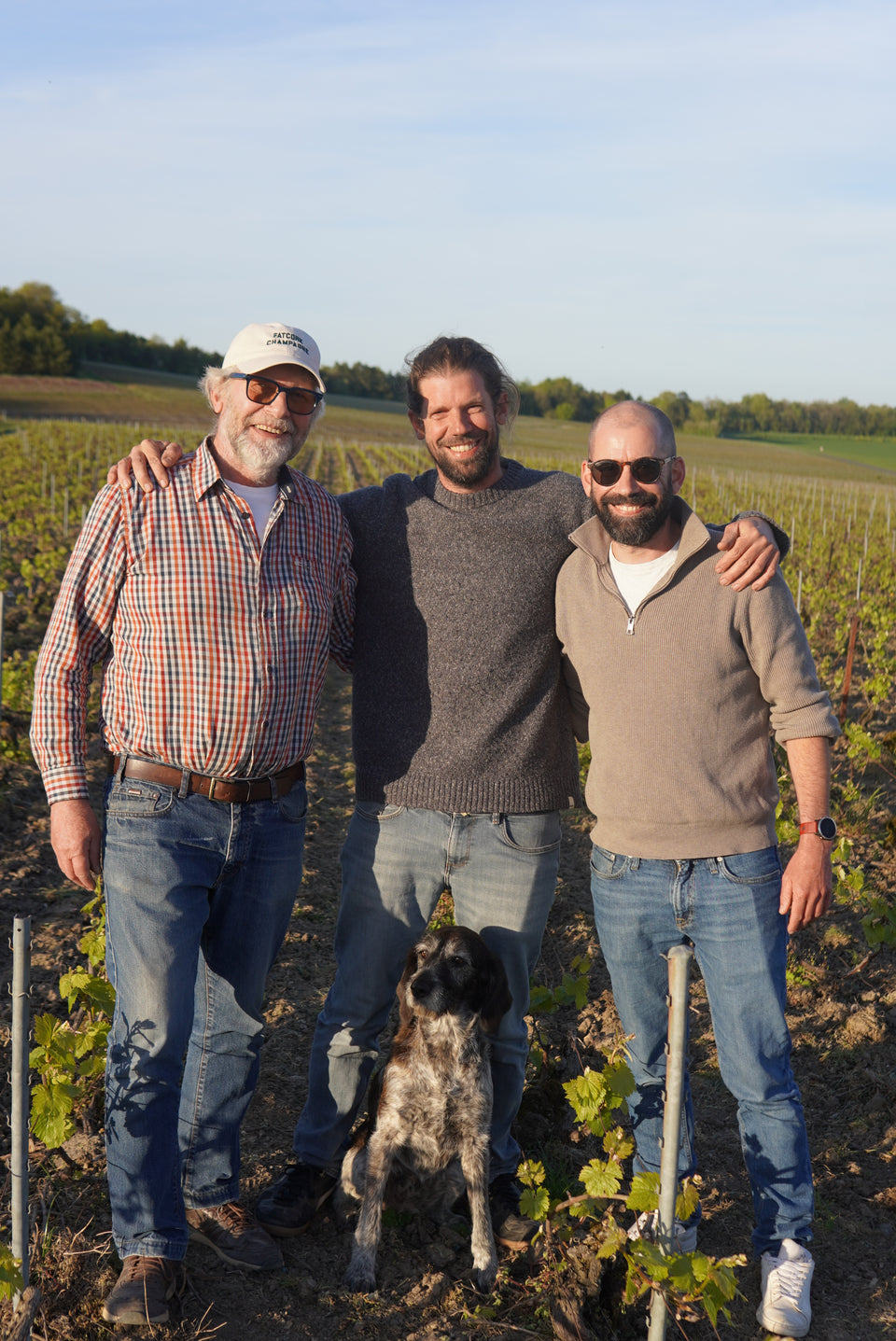
Adrien Redon
The Redon family has been tending vines and making Champagne in the village of Trépail since 1982. After two decades as vigneron, Pascal Redon and his wife, Pascale, passed the estate to their eldest sons Adrien and Hugo. With Hugo’s behind-the-scenes help in the vineyard and in the production house, head vigneron Adrien crafts his own unique style of low-dosage Champagne that highlights the chardonnay grapes for which the area is best known.
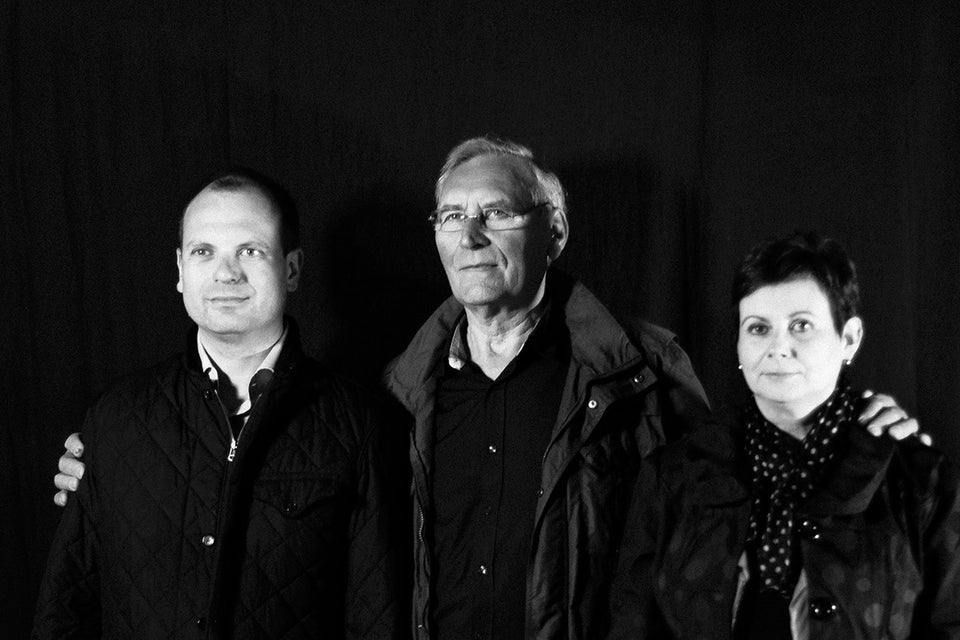
Alexandre Lenique
Alexandre Lenique’s family has been making wine for more than 250 years — on the same 6 1/2 hectares of vineyards and in the same caves below the historic Lenique estate in Pierry, outside of Épernay. A fourth-generation vigneron, Alexandre is passionate about sustainable agriculture. His commitment to protecting the area’s biodiversity and promoting rich soil composition is a driving force behind his incredible cuvées.
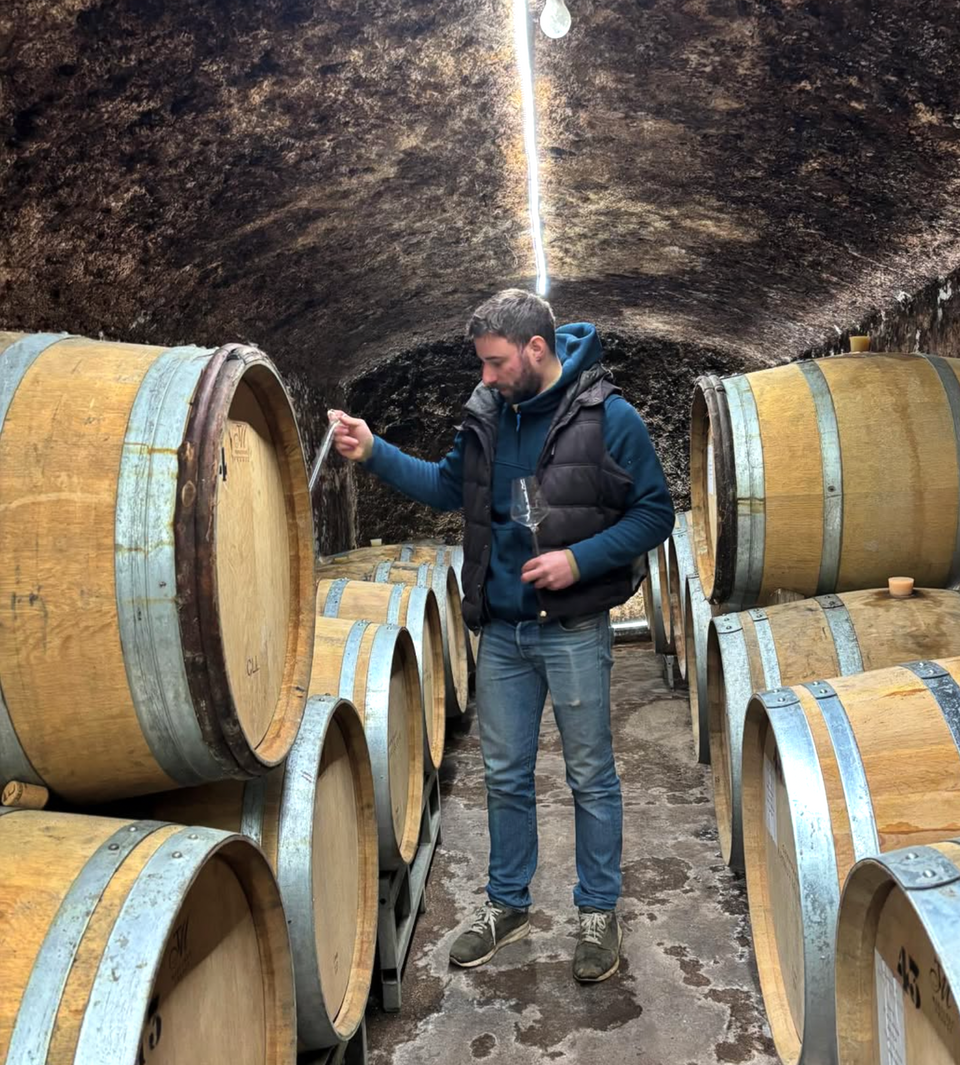
Arthur Lelièvre
Arthur Lelièvre, along with his sister, Ophélie, is the sixth generation to lead Champagne Forget-Chauvet, a Premier Cru estate in the town of Ludes. But while the vigneron continues to craft traditional-style Champagne for the storied family estate, in 2021, he began making Champagne for his own new, more modern label. Super dry and practically oozing with terroir, his single-vintage, single-plot, very low-dosage cuvées highlight a remarkably focused vision of his family domaine and the micro differences in the terrain of its various plots. Arthur’s production, thus far, is extremely small, and fatcork is beyond thrilled to be among the first to represent a portion of Arthur Lelièvre Champagnes’ micro release in the United States.
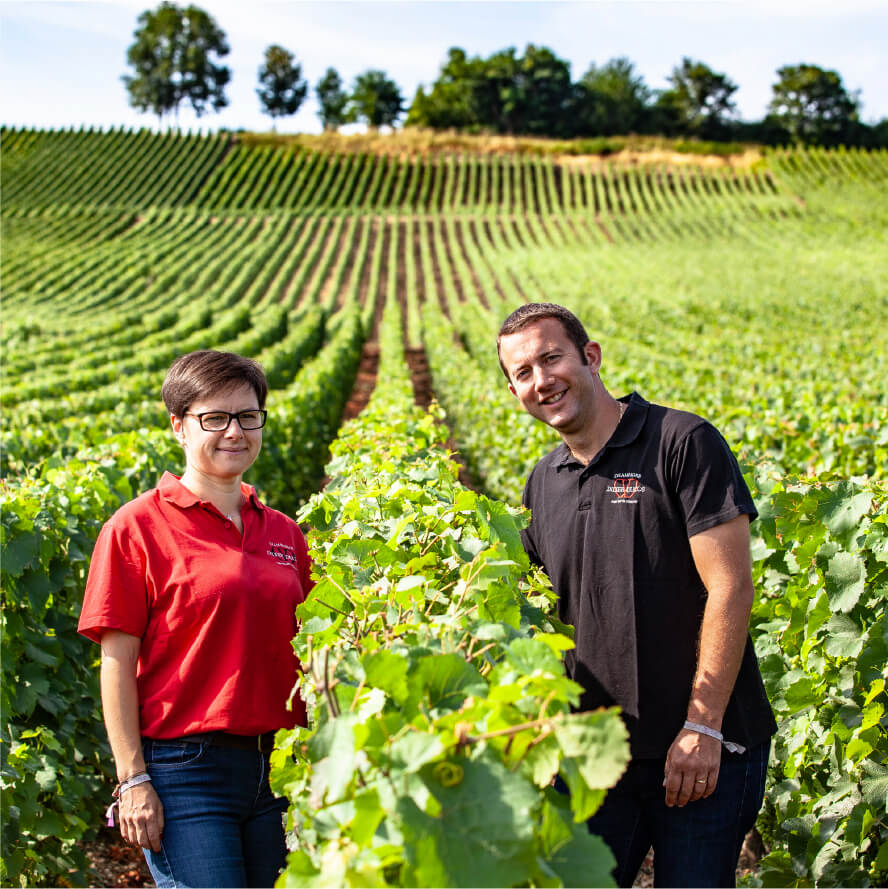
Didier-Ducos
In the Vallée de la Marne commune of Saint-Martin d’Ablois, husband and wife team Nicolas and Clotilde Didier are the fourth-generation to tend Didier-Ducos’ 8 hectares of vineyards, which face south on smooth, sloping hillsides replete with limestone and clay-rich soil. Nicolas and Clotilde’s signature low-dosage cuvées maintain delicacy and viridity due to the prime location of their vineyards.
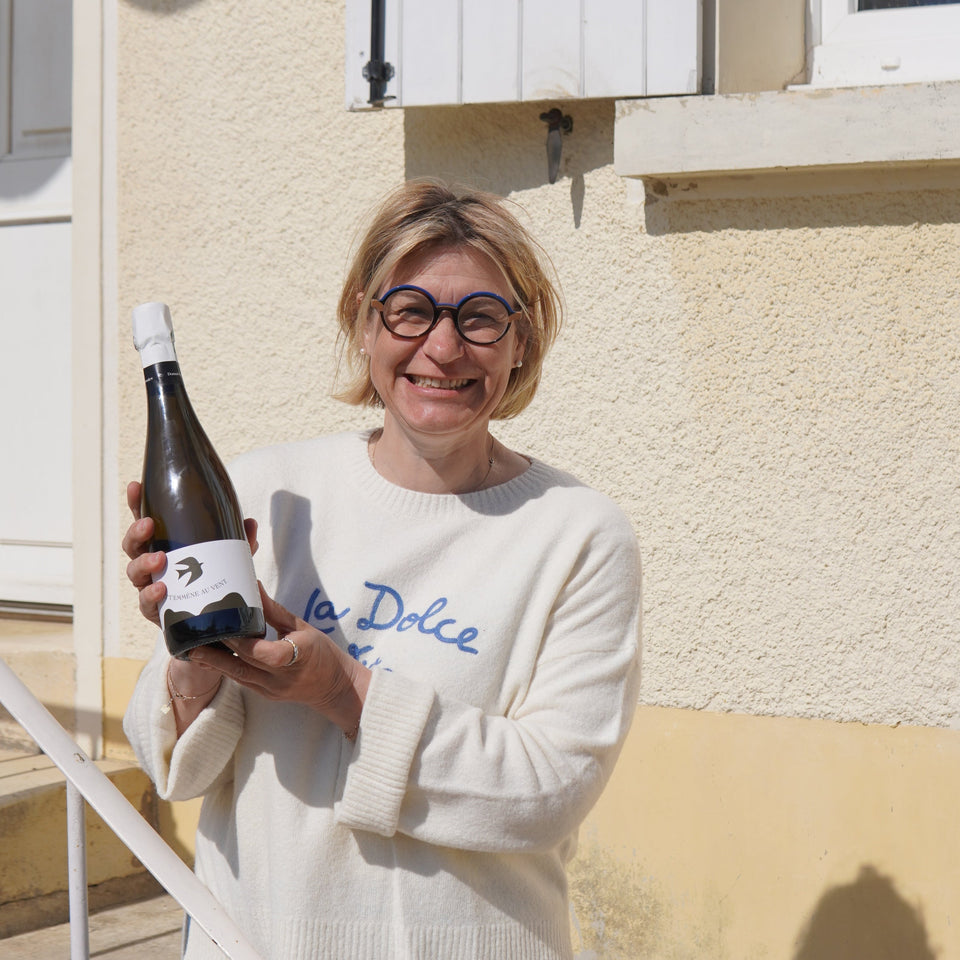
Domaine des Arondes
In 1982, Daniel Laurent began making Champagne with grapes he grew on two hectares of vineyards in the Premier Cru village of Avenay-Val-d’Or. His young daughter, Marie-Marjorie Laurent, grew up on the estate, helping wherever help was needed, learning the craft and developing a deep bond with both the family land and its legacy.
After leaving for a time, Marie-Marjorie returned in 2023 to take over her father’s estate and begin a new endeavor of her own: Domaine des Arondes. Named for the migrating swallows (“les arondes” in Old French) that return to Champagne every spring, the micro winery is the vigneron’s homage to her family home, while at the same time, a symbol of renewal, curiosity and exploration. Each of her releases (only 10,000 bottles a year) features cuvées that strike the perfect balance of exceptional complexity and elegance.
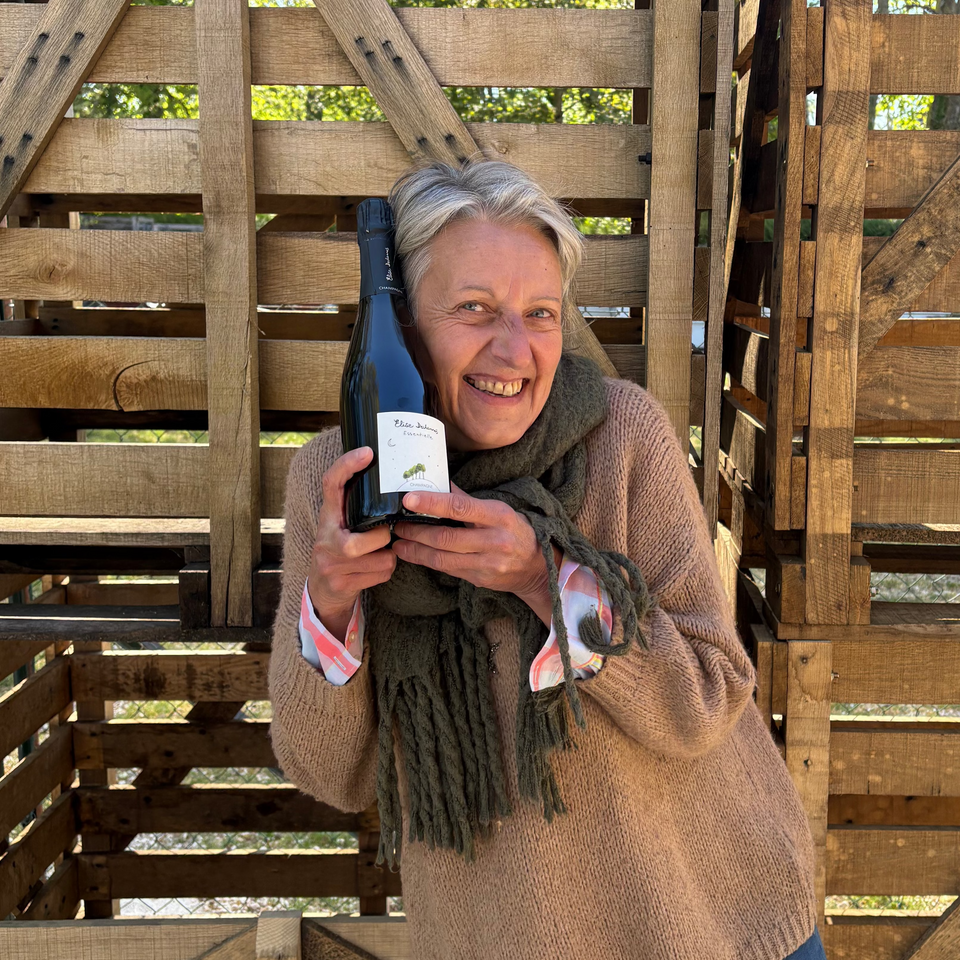
Elise Dechannes
In 2008, Elise Dechannes took over her family’s Les Riceys estate comprising 5 hectares of limestone-rich Kimmeridgian-soil vineyards that are perfectly conditioned to produce the elegant pinot noir-based Champagnes that bear her name. Elise honors the land by practicing sustainable farming, hand-picking and weeding, and allowing her vines to grow with minimal intervention. Her vineyard has been classified as organic since 2014.
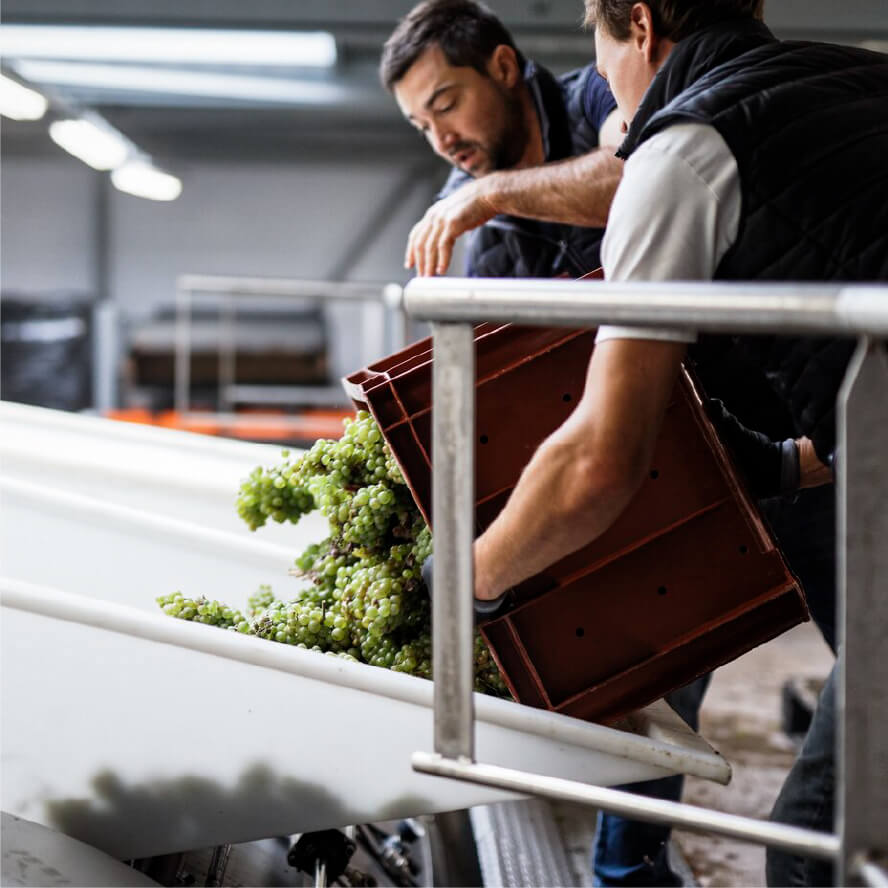
Etienne Calsac
For years, the Calsac family sold the grapes they grew in their vineyards to the region’s grand Champagne houses. But, in 2010, 26-year-old Etienne Calsac inherited the vines and expanded the family business to incorporate Champagne-making from start to finish. Today, on his Avize estate, Etienne applies the strict quality control methods his grandparents taught him while also contributing his own spirit of experimentation during vintification.
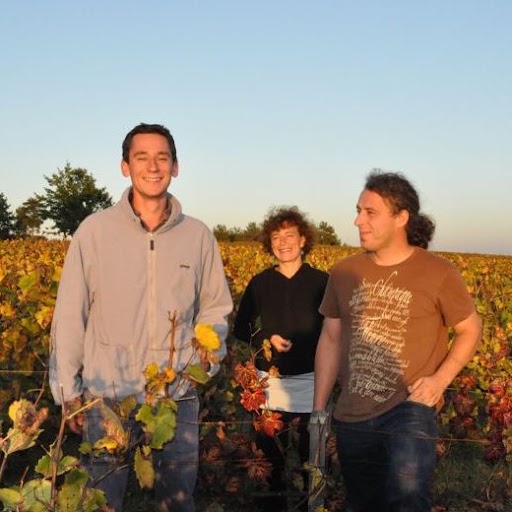
Fleury
Champagne Fleury is located in Courteron, a village in the Aube known for its Kimmeridgian, clay and limestone soil and sunny Seine Valley slopes. Founded in 1895, the domaine has a rich history of innovation. After phylloxera destroyed Champagne’s vineyards in the late 19th century, in 1901, Emile Fleury was the first to help restore his ravaged vineyards by grafting French pinot noir onto aphid-resistant rootstock. In 1929 during the economic crisis, instead of selling his grapes to the big houses, Emile’s son Robert Fleury began making his own Champagne. That bold leap of faith placed him among a group of the first grower-producers in the Aube. In 1989, Jean-Pierre Fleury became the first grower to use such biodynamic practices as manual tilling and composting in his vineyards. By 1992, he had converted the entire 15-hectare estate to biodynamic.
Today, Jean-Pierre’s three children Jean-Sebastien, Morgane and Benoît Fleury continue the family tradition of experimentation and a love of their land. Jean-Sebastien created the domaine’s first sulfite-free wines. Benoît is looking at novel ways to cultivate the vines in a changing climate. And Morgane is promoting her family’s products at the jazz and Champagne bar she owns in Paris.
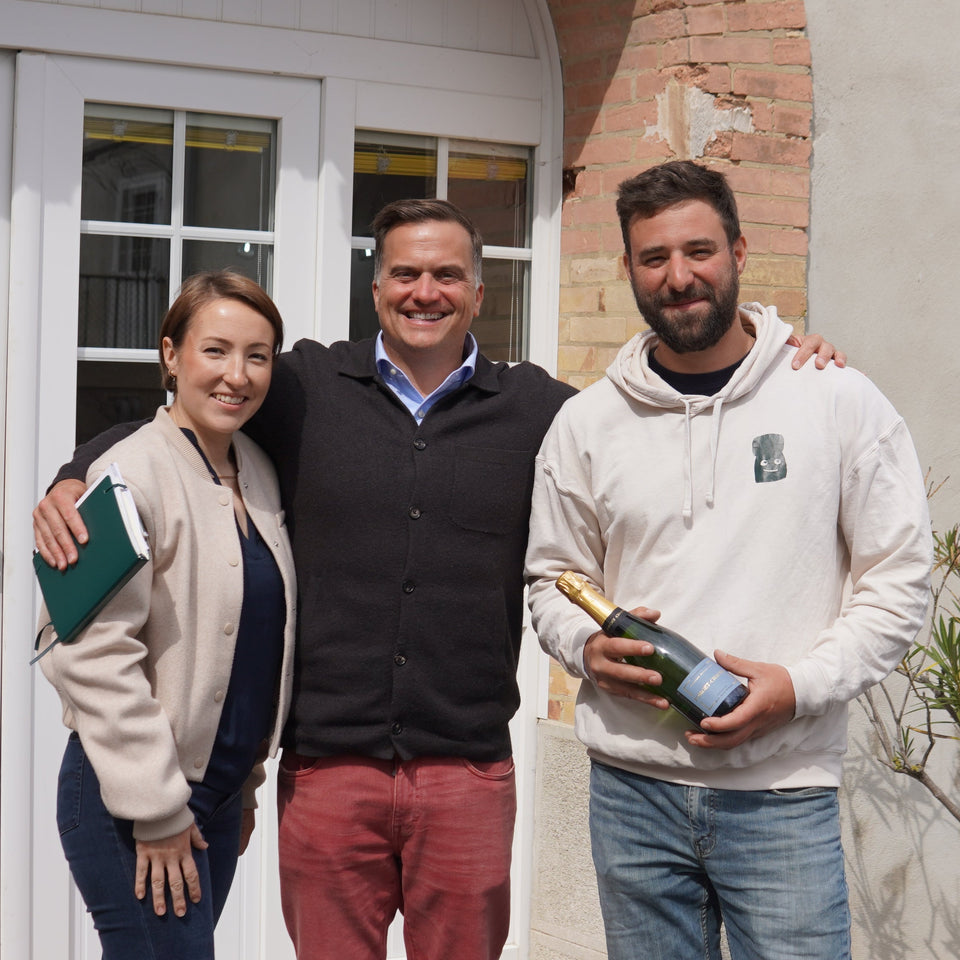
Forget-Chauvet
For more than 80 years, the Forget-Chauvet family has passed along their methods and traditions, and, now, siblings Arthur and Ophélie Lelièvre are the sixth generation to lead the domaine. With 10 hectares of vineyards spread across three terroirs in Ludes, Taissy and Lagery in Montagne de Reims, the young vignerons are eager to make their own mark on the family legacy. Today, Arthur and Ophélie choose to do all fermentation and aging in stainless steel tanks to impart their cuvées with a new fresh, vibrant quality.
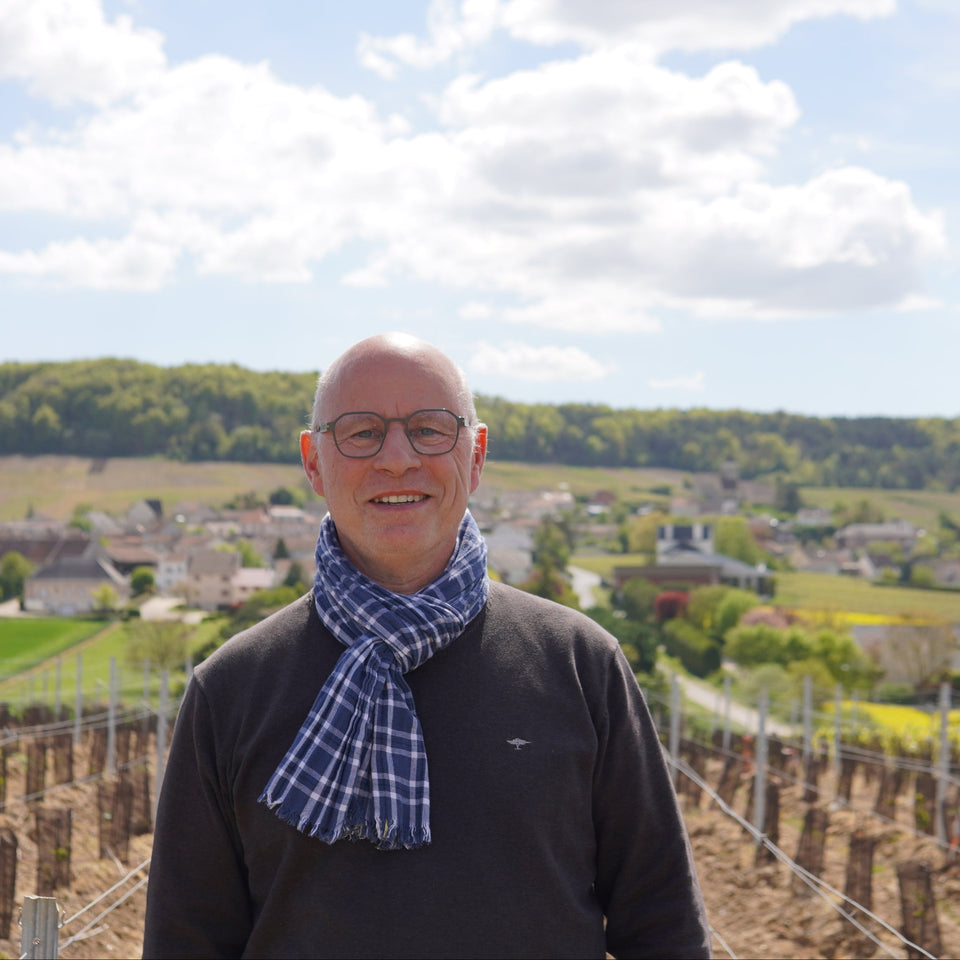
Gimonnet-Oger
The Gimonnet family has been working in the Côte des Blancs vineyards since 1650, and it is vigneron Jean-Luc Gimonnet who now manages his family’s estate in the village of Cuis. His traditional Champagne-making style allows the exceptional quality of his grapes to shine and all of his cuvées spend years, and sometimes even decades, aging on the lees before disgorgement.
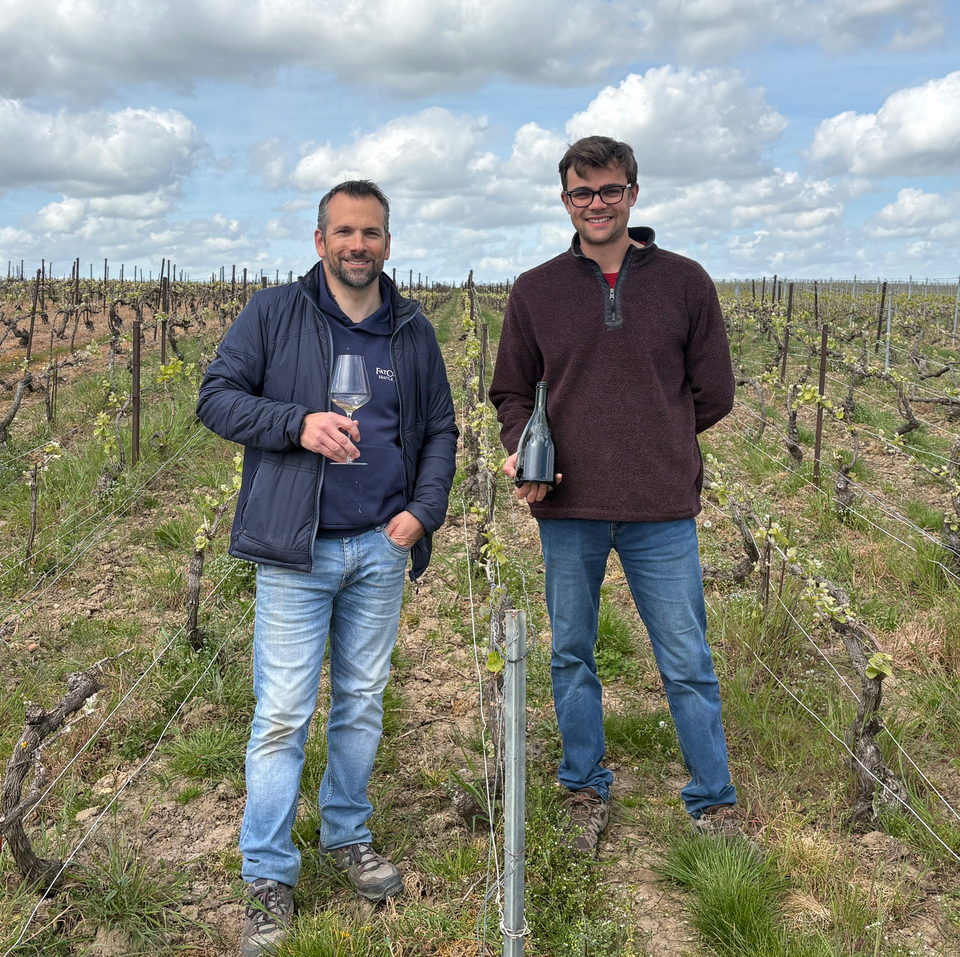
Hervieux-Dumez
Four generations of vignerons have made Champagne at Hervieux-Dumez, a storied house tucked away in the small village of Sacy. At its helm today, Laurent, Clément and Timothée Hervieux encourage biodiversity by keeping bees and letting chickens roam their vineyards to fertilize the land and control weeds. At the same time, the vignerons’ elegant, refined cuvées reflect a passion for the craft and reverence for their family’s traditions.
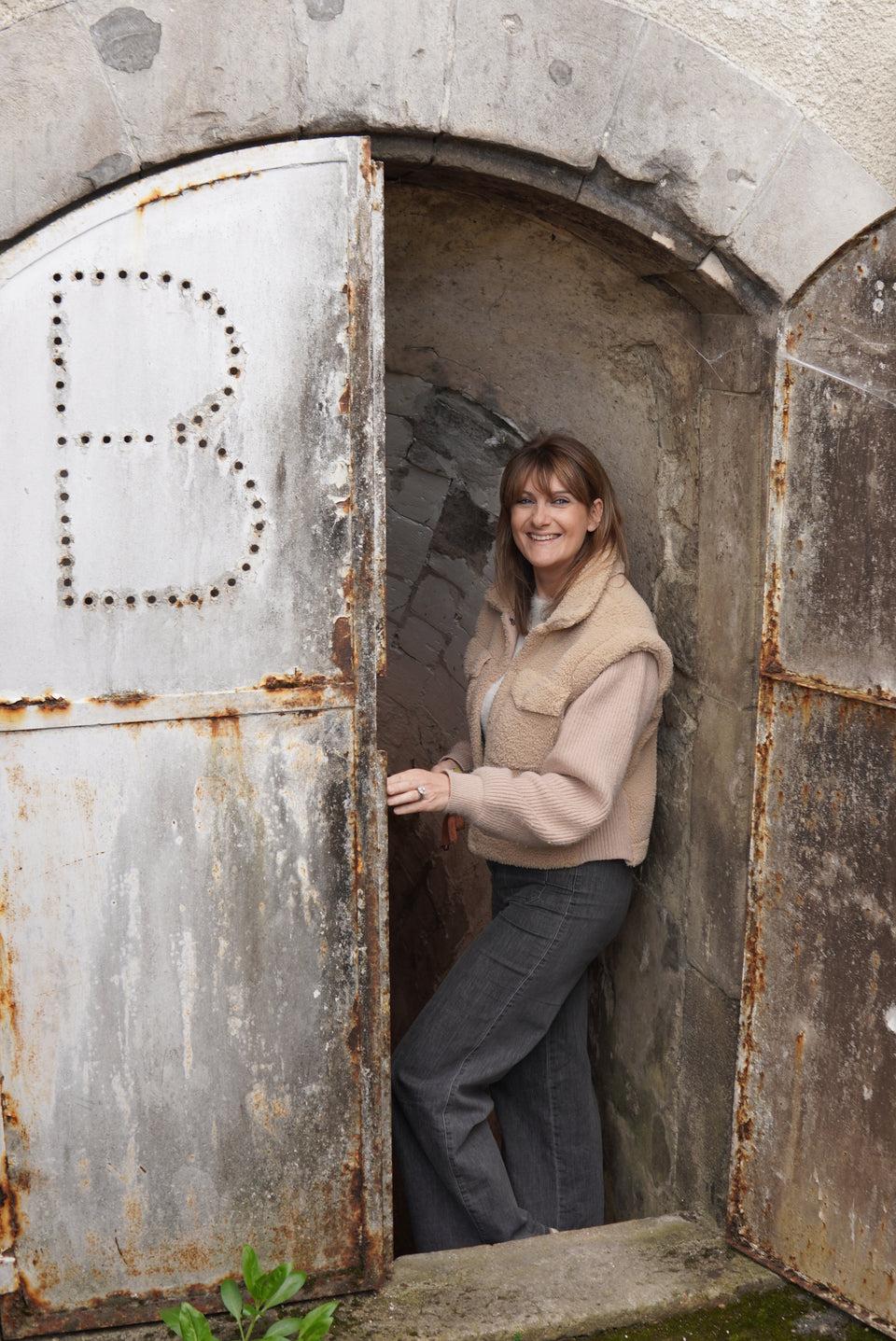
Jean Baillette-Prudhomme
Laureen Baillette; her mother, Marie-France; and her sister, Justine, are Champagne Baillette-Prudhomme, a celebrated 5-hectares estate in Trois-Puits on the slopes of Montagne de Reims. A sixth-generation vigneron, Laureen is passionate about every step of the Methode Champenoise from cultivating the vines and pressing the grapes (in a traditional press painted fuschia) to managing vintification and riddling each and every bottle by hand.
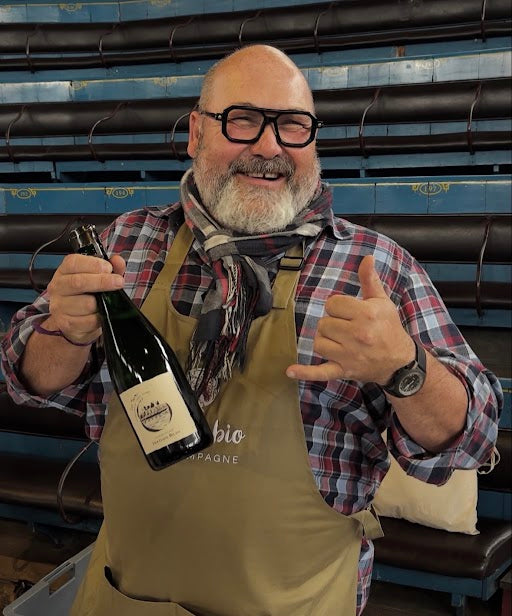
Jérôme Blin
Not to be confused with the Parisian fashion designer of the same name, Champagne vigneron Jérôme Blin is a talented creative in his own right. From his estate in Vincelles in the Vallée de la Marne, Jérôme grows 6 hectares planted primarily with pinot meunier, along with small plantings of chardonnay and pinot noir. Certified organic and cultivated using biodynamic practices, Jérôme’s world-class grapes form the backbone of his terroir-driven collection of pinot meunier-dominant grower Champagnes. In the cellar, Jérôme focuses on micro-vinification in barrels, clay amphora and qvevri, large, egg-shaped, earthenware vessels.
Lagille
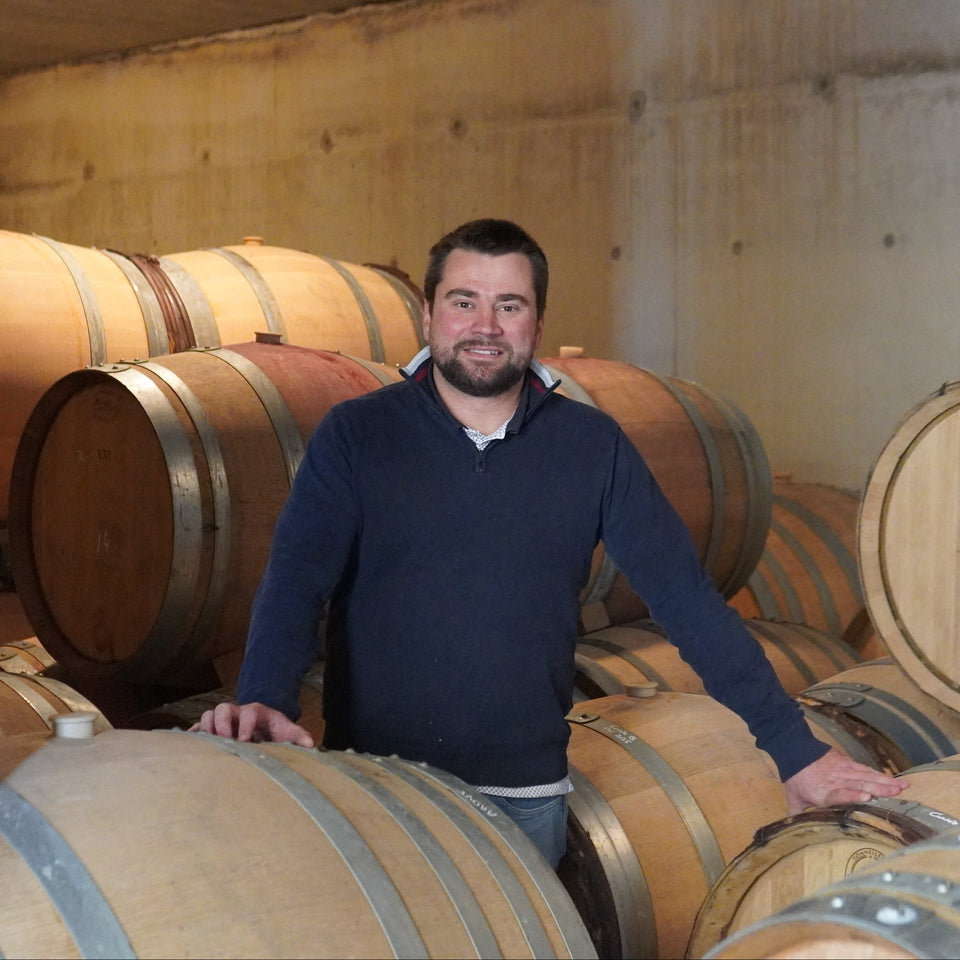
Nestled within the river valley and western slopes of Montagne de Reims is Vallée de L’Ardre — the true heart of pinot meunier country and the birthplace of Domaine Lagille. Since 2017, Vincent Lagille has been in charge of the centuries-old family domaine, where he honors tradition while paving a modern path of his own. One of only 15 grower-producers in the Vallé de L'Ardre, Domaine Lagille has a reputation for excellent, low-dosage cuvées that are acutely reflective of their terroir. Additionally, several of the domain's most exciting cuvées are part of Vincent’s vision for the future of Domaine Lagille: single-varietal, single-plot, single-vintage wines that express the distinctive qualities of the grapes grown at the border of Treslon and the neighboring village of Vrigny.
Massonnot
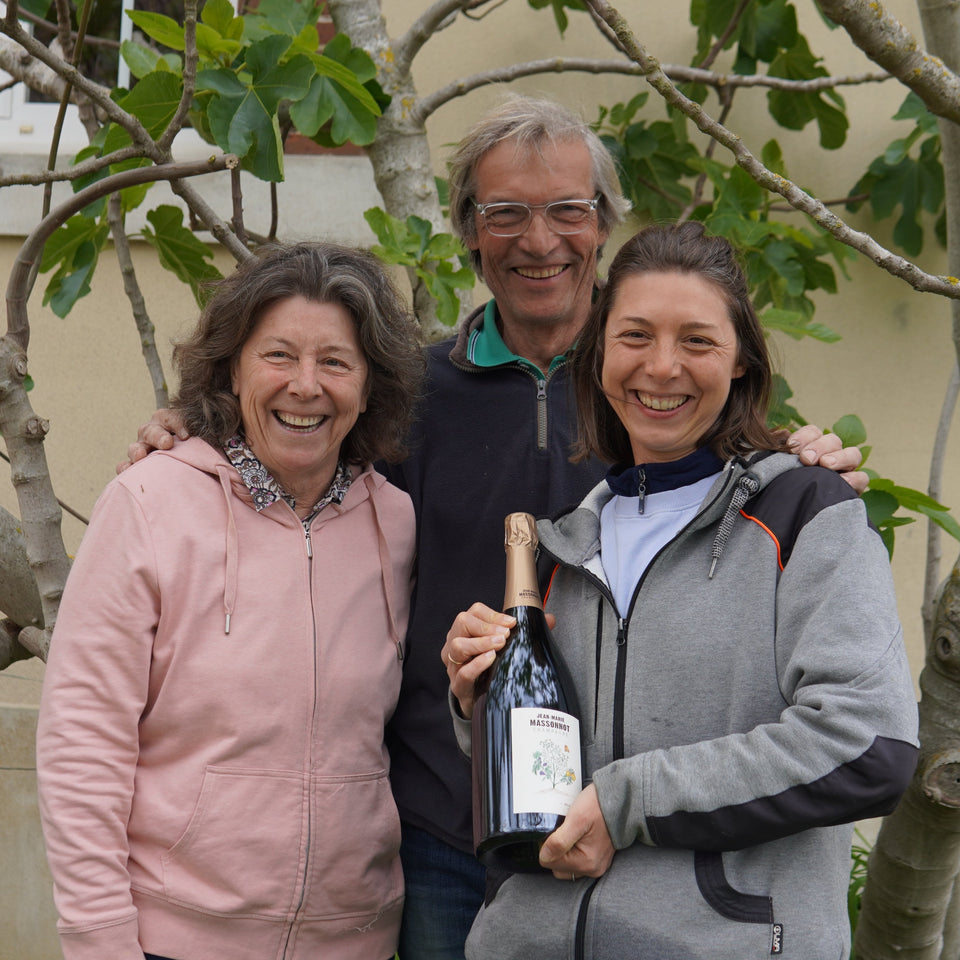
Jean-Marie Massonnot Champagne traces its roots back to the 1930s when Aimé Massonnot began making and selling his own Champagne in Coulommes-la-Montagne, a small village in Vallée de la Marne. Massonnot was passed from generation to generation, and in the ‘80s, Aimé’s grandson, Jean-Marie, ushered in the modern era of the domaine, drawing on the past while also looking toward the future. He took great care in preserving his father’s massal selections from the 1950s while also fully converting the pinot meunier-dominant estate to organic by 2021.
Today, the domaine is a multigeneration operation with Jean-Marie’s daughter, Camille, at the helm. Camille’s husband; her parents, Jean-Marie and Christel; and her brothers, Valentin and Victor, help however they can. Even Camille’s young children find small ways to lend a hand. In the vineyards, Camille continues her father’s commitment to thoughtful, harmonious, organic farming while also incorporating more modern growing and winemaking techniques of her own.
Always honing her winemaking style, Camille keeps human intervention to a minimum — no dosage, no sulfites, no filtration and slow aging on lees — allowing each cuvée to express its unique identity.
Mathieu-Gandon
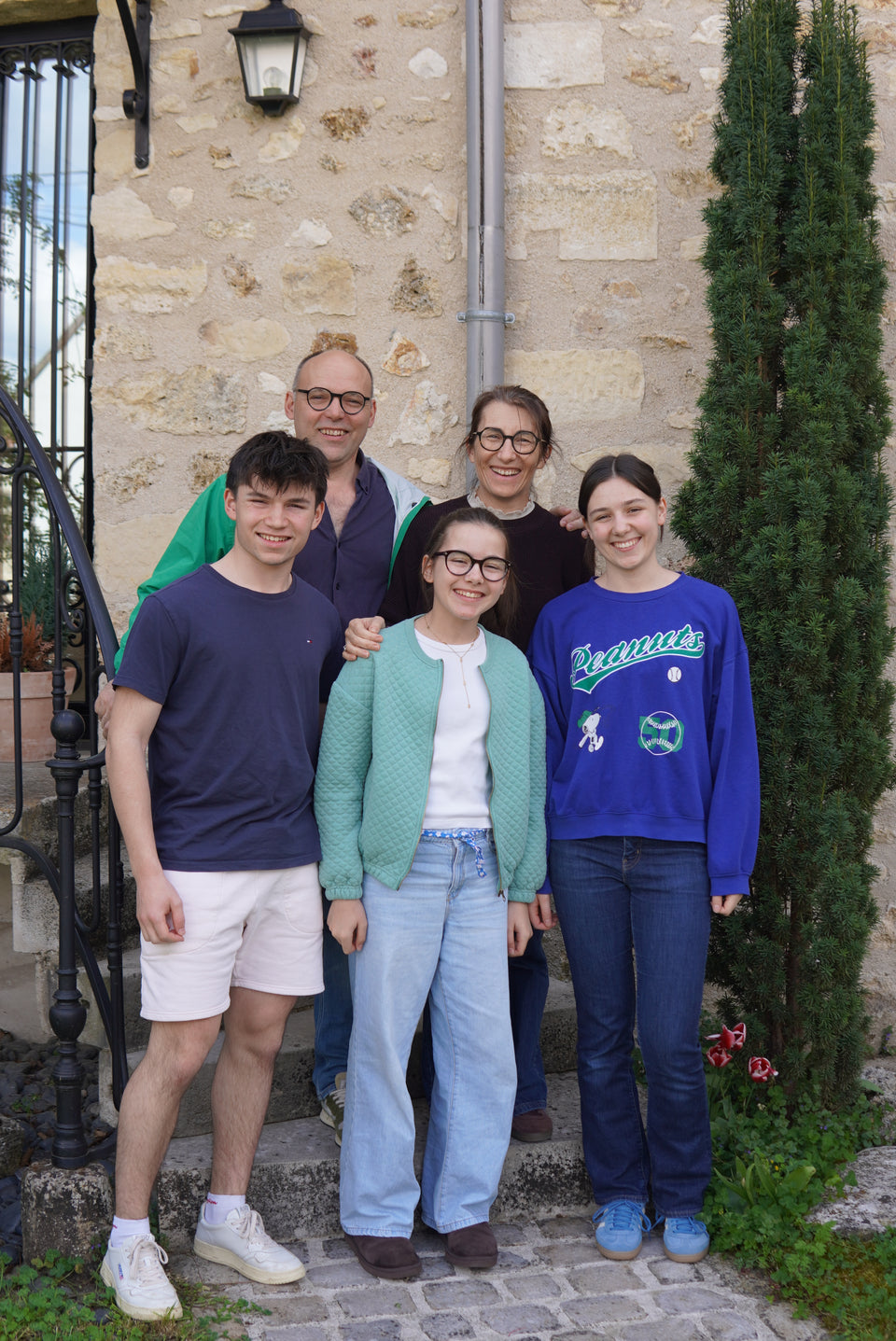
Fabien and Séverine Mathieu are a husband and wife team committed to doing things differently. In their vineyards, which lie in Baslieux-sous-Châtillon in Vallée de la Marne, the vignerons experiment with different techniques in the vineyard and in their production house. Mathieu-Gandon Champagnes are precise, fresh and clean, and they have all aged on the lees for three or more years.
Mathilde Savoye
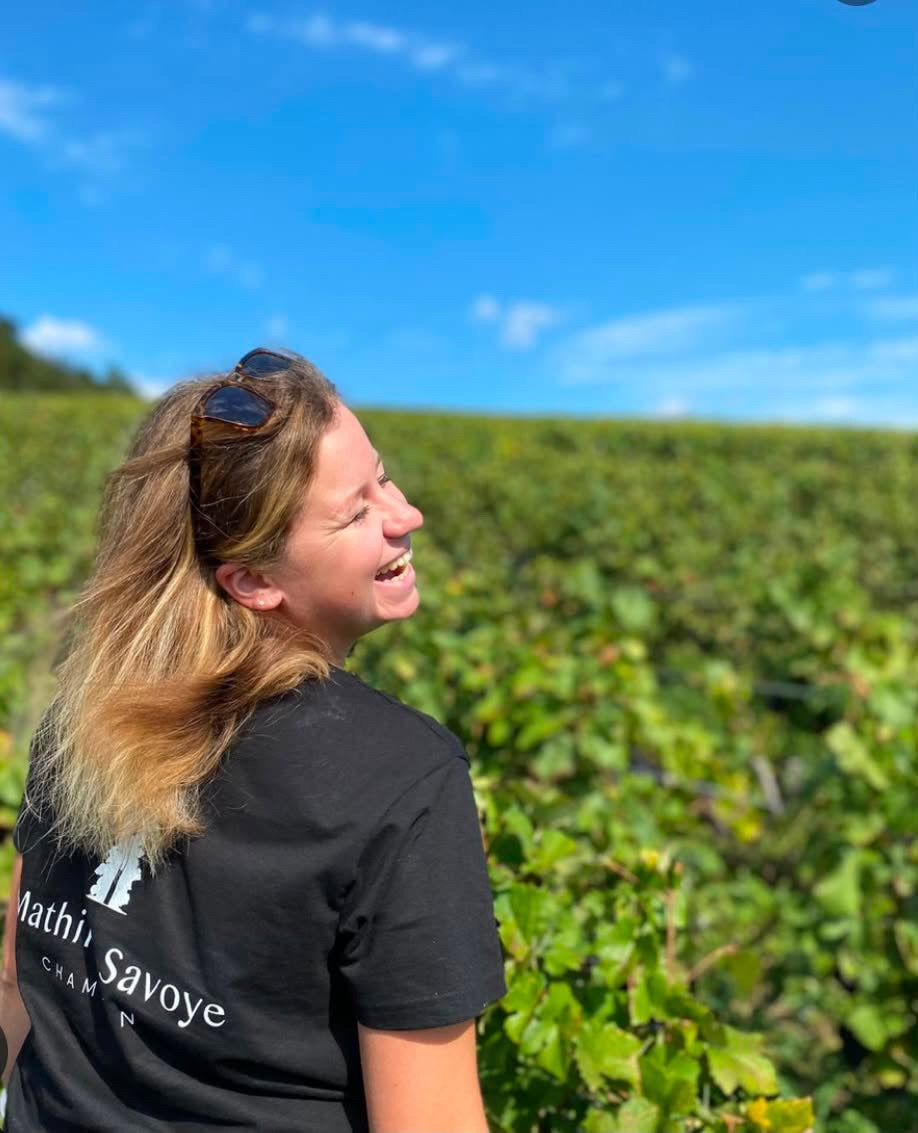
Growing up in a family of winemakers, surrounded by vineyards and a tradition of viticulture that dates back five generations, Mathilde Savoye knew from an early age that one day, she would make Champagne, too. Her father was reluctant to pass the family domaine to his daughter, so Mathilde decided she would break from the family estate and follow her dream of being a vigneron — all on her own. In 2017, after finishing her education, Mathilde started her domaine from scratch with 3.5 hectares of pinot meunier vineyards in Cuchery and Baslieux-sous-Chatillon.
From day one, Mathilde has worked in harmony with nature. She planted grasses, wildflowers and native herbs between the vines to promote healthy soils and to naturally manage pests. Rather than continuously tilling the soil, she disturbs it as little as possible. Grazing sheep keep the vegetation in check while their manure provides a natural fertilizer. She doesn’t use chemical treatments of any kind. Mathilde’s focus on biodiversity and sustainability earned her High Environmental Value (HVE) and Sustainable Viticulture in Champagne (VDC) certifications.
Mathilde allows her small, highly concentrated pinot meunier grapes to ferment naturally, and in her cold, dark cellar, malolactic fermentation is blocked to preserve the wine’s bright acidity. She rests each of her cuvées on the lees for 27 months and finishes each bottle with low dosage. Mathilde’s unique approach results in dynamic, energetic, fruit-forward Champagne with amazing texture.
Néret-Vély
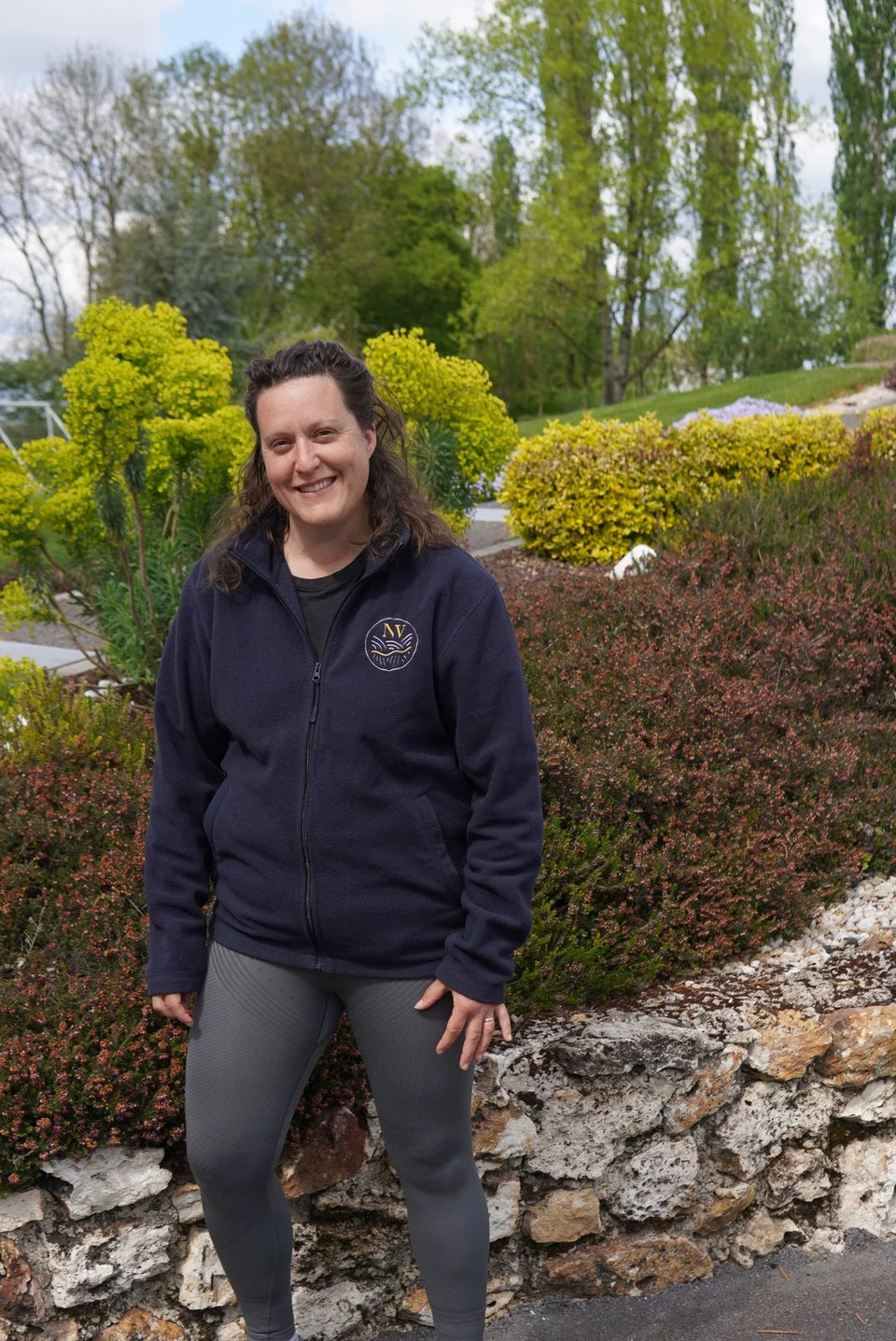
Whimsical label illustrations depict life on the farm in Vauchamps, where the Néret-Vély family have been making Champagne since 1945. Their vineyard, located in Festigny, comprises 7 hectares of pinot meunier, chardonnay and pinot noir. Third generation vigneron Carole Néret, along with her husband Mathias and cousins Yann and Eva, tend their vineyards with organic methods and a focus on biodiversity, planting trees to encourage birds and insects and using horse-drawn plough to till the soil. In the cellar, they let their base wines ferment spontaneously and experiment with aging in Clayver ceramic vats.
Pascal Redon
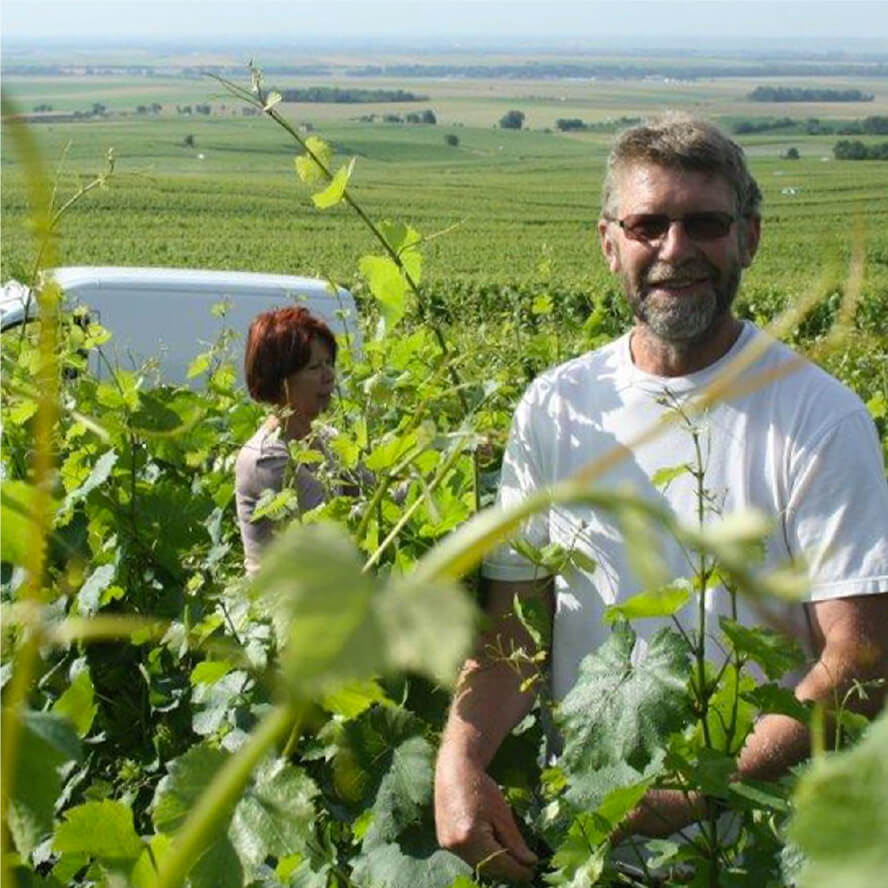
Pascal Redon began making Champagne with his wife Pascale on 5 hectares of land in the village of Trépail in 1982. Today, their sons Adrien and Hugo are in charge. While the brothers produce cuvées for the newer Adrien Redon line, they also continue to make Champagne according to their father’s more traditional methods under the name Pascal Redon.
Petit Le Brun et Fils
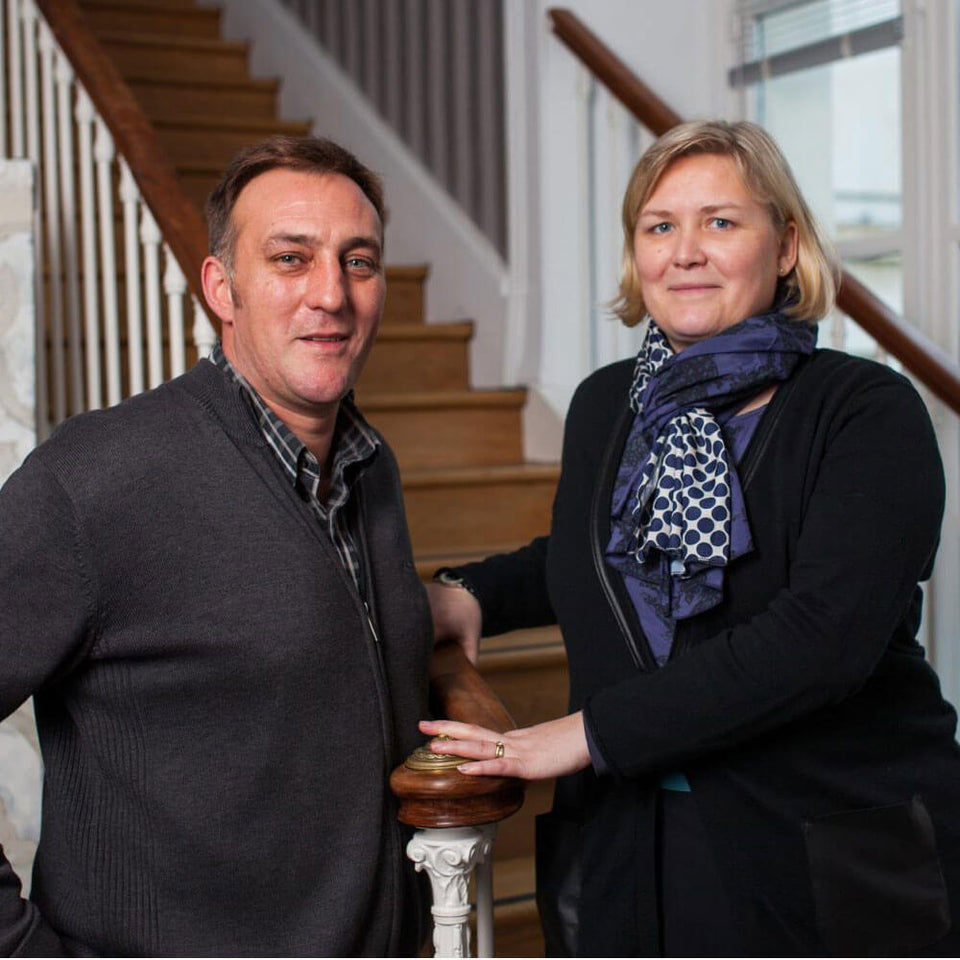
Husband and wife team Richard Petit and Véronique Bajan have produced classic-style cuvées at their domaine in Avize since 1964. In their 4 hectares of chardonnay vineyards, Richard and Véronique are committed to using products and methods that are approved by the Haute Valeur Environnementale and the Agriculture Durable & Bio.
Piollot
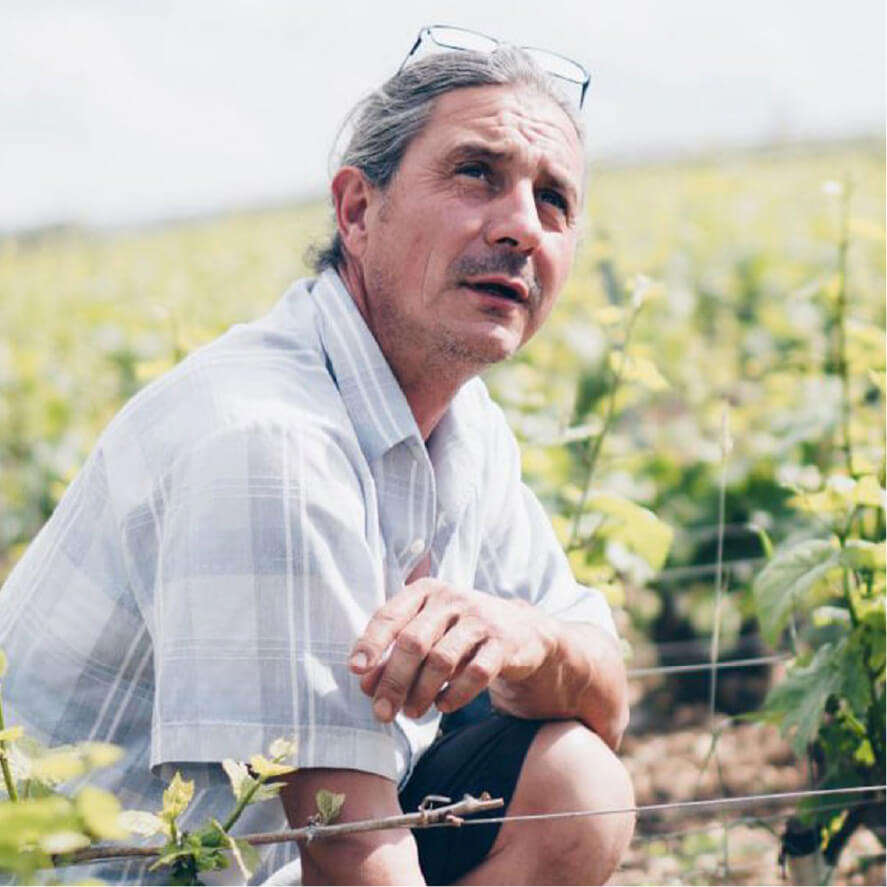
Roland Piollot, his wife, Dominique, and their daughter, Jeanne, produce crisp, elegant cuvées from their 8 1/2 hectares of predominantly pinot noir in and around the town of Polisot. Roland inherited the family land and a passion for tending vines from his father in 1986. Piollot’s Champagne production has been 100 percent organic since 2014, and, more recently, the estate earned a Demeter certification for biodynamic farming.
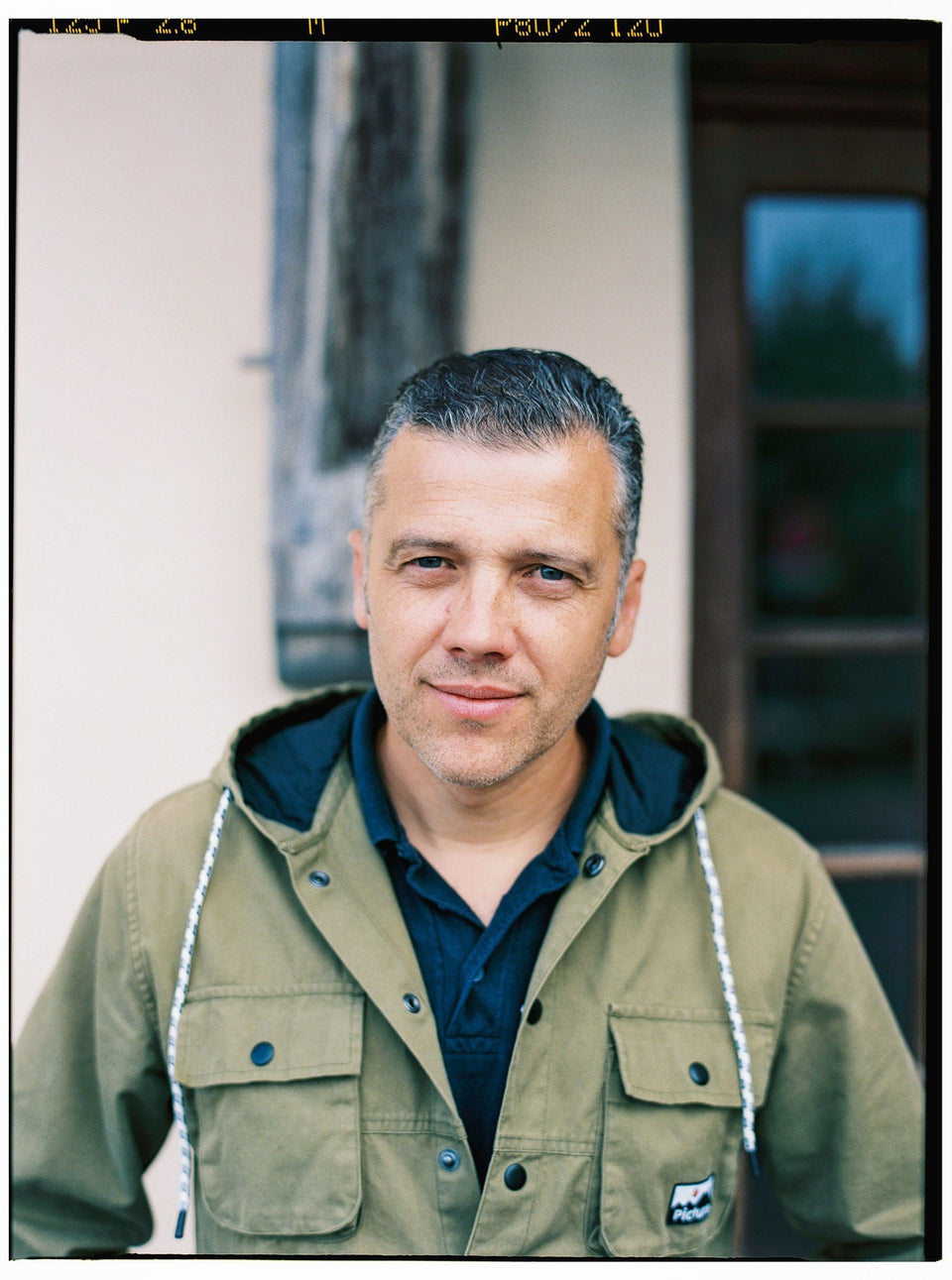
Robert Barbichon
The Barbichons have been growing grapes and making wine in the Aube since the late 19th century. But even in a subregion of Champagne known for defying convention, their family domaine, Champagne Robert Barbichon, still stands apart.
Fourth-generation vigneron Thomas Barbichon and his family are in charge now, cultivating the 9 hectares of biodynamic vineyards in the village of Gyé-sur-Seine that he inherited from his father, Robert. Each of Thomas’ cuvées reflects a razor-sharp focus and an identity driven by the vineyards’ limestone-rich Kimmeridgian soils. Champagne Robert Barbichon is also one of only a small number of domaines that uses pinot blanc. One of the seven grapes allowed by Champagne law, pinot blanc is rarely planted. In fact, to cultivate this uncommon grape, the domaine must have historical records that prove the varietal has been grown on their land over many generations. This rare but remarkably versatile grape adds a distinct lemon-citrus flavor that is quite different from what is imparted by chardonnay.
In the cellar, Thomas vinifies and ages the wine in stainless steel tanks and barrels, with a minimal use of new oak, a method that preserves the true expression of each grape. For both first and second fermentations, Thomas employs proprietary yeast strains that were developed by the family and passed down through the generations. Originally cultivated from native yeasts found in their vineyards, these unique strains produce pure cuvées that express the distinctive terroir of the Côte des Bar with clarity and precision.
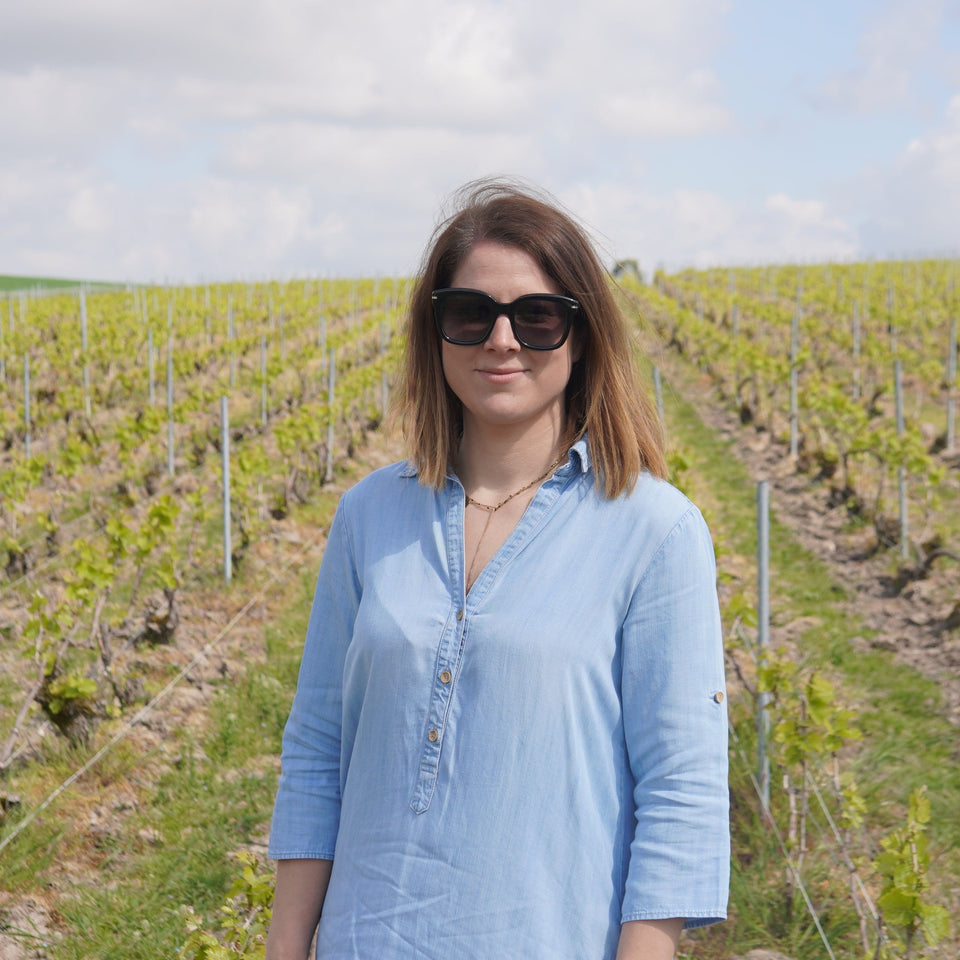
Rochet-Bocart
For Mathilde Devarenne of Rochet-Bocart, Champagne is more than her life’s work; it’s her legacy. The family domaine was founded in 1956 by her grandparents Jacques Rochet and Claudette Bocart in Vaudemange, a small village at the southern border of Montagne de Reims. Mathilde became head vigneron at Rochet-Bocart in 2015, and while she maintains many of the domaine’s time-honored traditions, she employs new techniques and personal touches that make the label authentically her own. From biodynamic methods in the vineyards to blocking malolactic fermentation in the production house, Mathilde’s efforts produce exquisite low-dosage cuvées that are a beautiful reflection of her skill and passion.
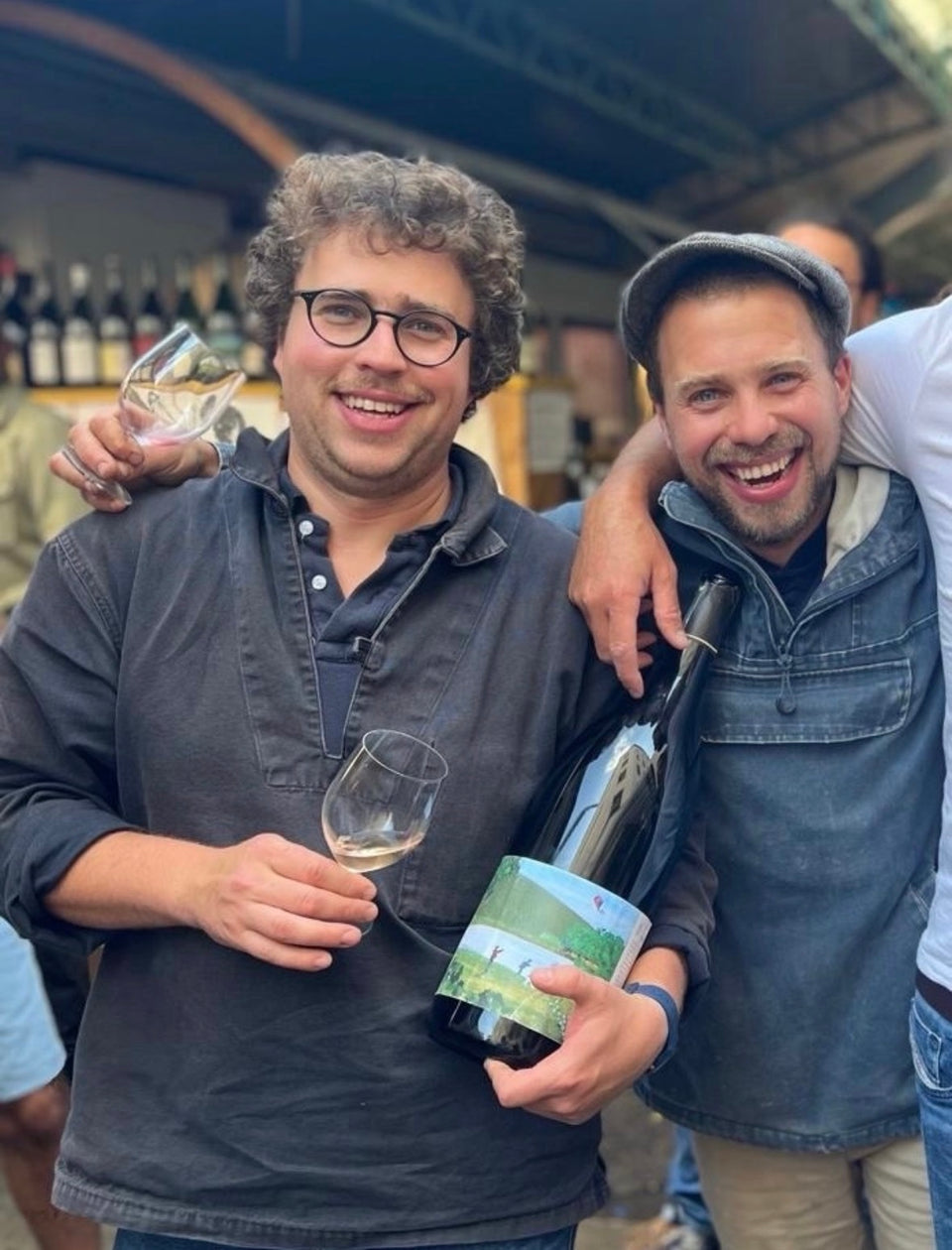
Romain Hénin
Romaine Henin comes from a family of winegrowers in Aÿ, in the Vallée de la Marne. After completing his education in 2013, Romaine briefly returned to the family estate before breaking away in 2016 to establish his own label, driven by his growing commitment to organic and biodynamic farming.
On his own, Romaine adopted a low-intervention approach, eliminating all additives with his first harvest in 2018. His brut nature Champagnes are made without sulfites or dosage, relying on native yeast fermentation, avoiding bâtonnage and filtration, and using the naturally occurring sugars from the following year's must rather than a conventional liqueur de tirage. His vineyards earned organic certification in 2020 and, later, Demeter certification for biodynamics.
In 2021, Romaine reacquired the 7-hectare Henin family estate and was joined by his brother, Thomas. Together, they farm biodynamically, encourage biodiversity and train their vines to high trellises to produce fresh, beautifully acidic fruit. In the cellar, Romaine uses his great-grandfather's vertical press and monitors each barrel with laboratory-like precision.
Today, the brothers' small collection of brut nature Champagnes has achieved cult status for its playful, inventive cuvées that express each vintage with clarity and precision.
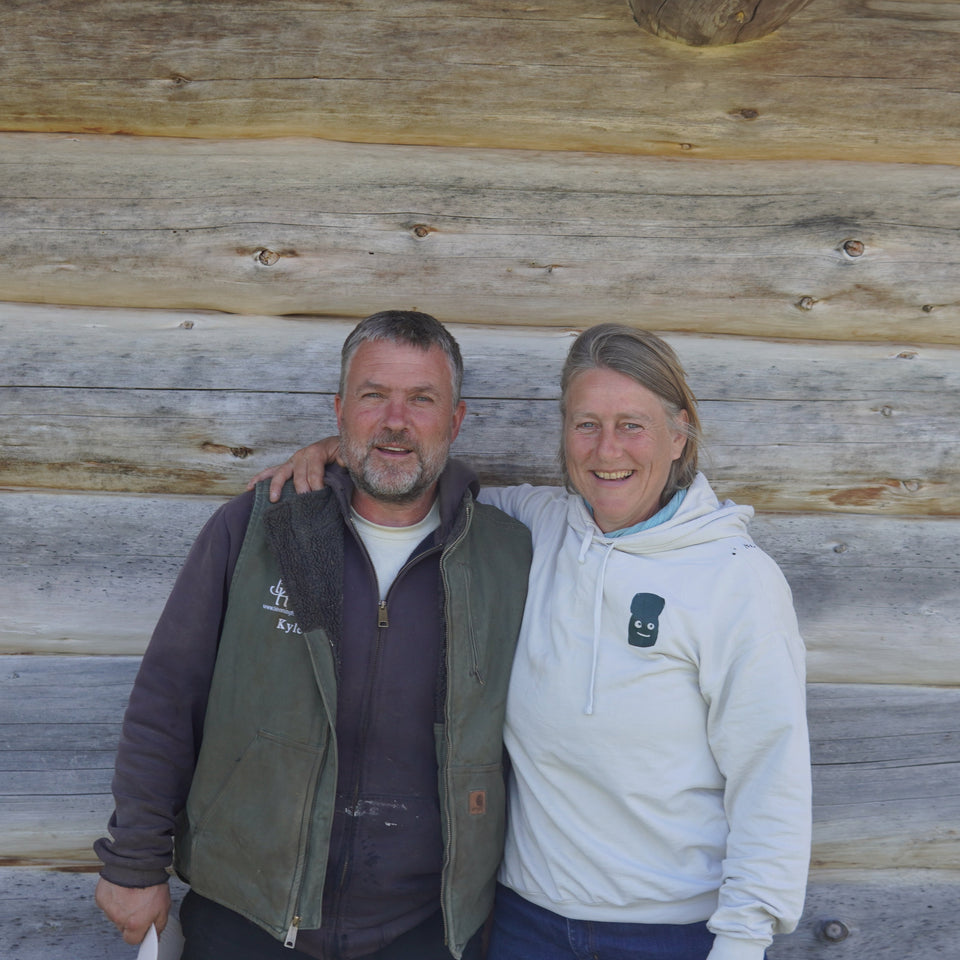
Ruppert-Leroy
Vigneron Bénédicte Leroy and her husband, Emmanuel, make Champagne from their estate in the village of Essoyes on the same land where her father, Gerard, settled as a sheep farmer in the 1970s. Today, as a way of honoring the land, the husband and wife team use organic and biodynamic methods to make single-vintage, zero-dosage cuvées.
Stéphane Regnault
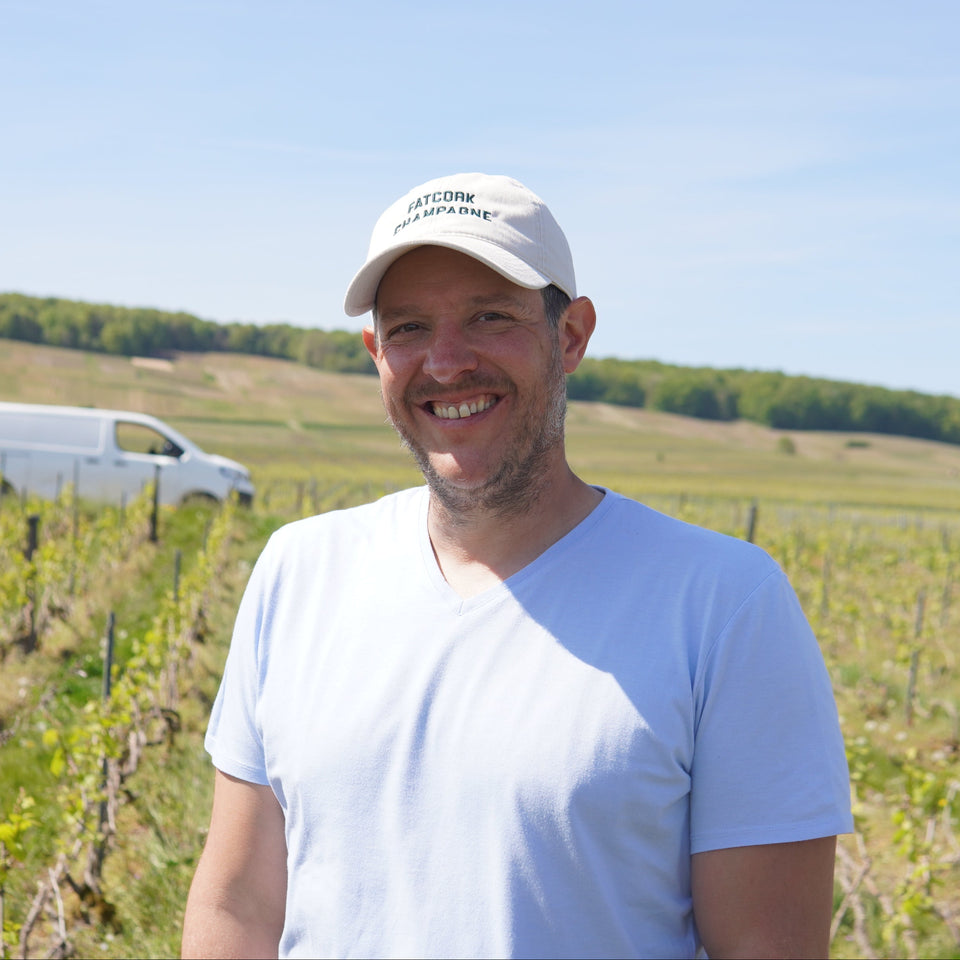
Stéphane Regnault is the first in his family to make Champagne from the grapes grown on their 4 hectares of certified organic and biodynamic vineyards in Le Mesnil-sur-Oger on the Côtes des Blancs. A jazz musician at heart, Stéphane applies a kind of polyrhythmic method to his craft by creating his trio of plot-specific cuvées with a perpetual reserve from the previous vintage, beginning with his first in 2014.
Vadin-Plateau
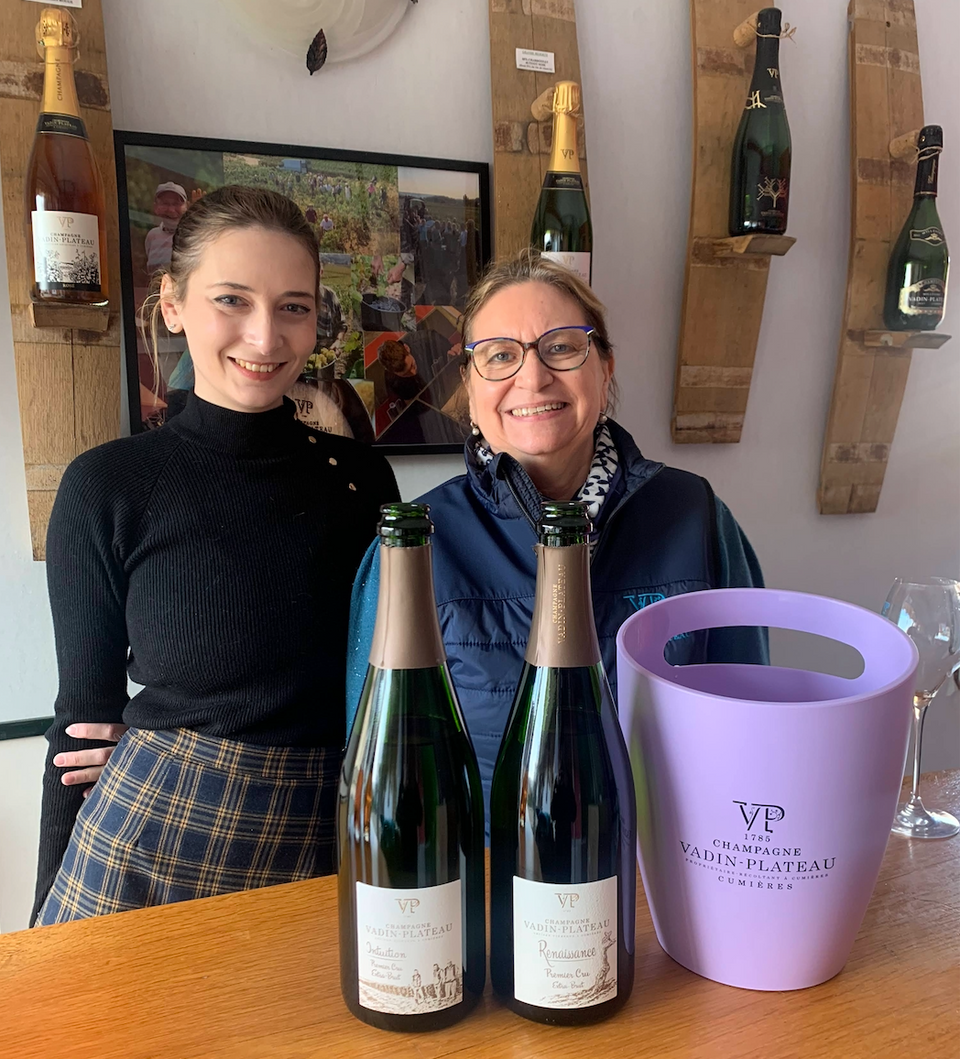
In 1785, Joseph Plateau began producing Champagne at his estate in the village of Cumières and managing vineyards in the diverse terroir of Cumières and neighboring villages Ay, Damery, Champillon and Hautvillers.
Now, nearly 300 years later, the 7-hectare estate rests securely in the hands of Muriel Vadin and her daughter, Aurélie. They are committed to continuing the organic and biodynamic farming methods that Jean-Luc established in 2012 and abstaining from the use of herbicides.
Fermentation at very cold temperatures and their preference for minimal dosage present as clean, fresh, unique cuvées that are extremely expressive of the region while also having a particular identity of their own.